
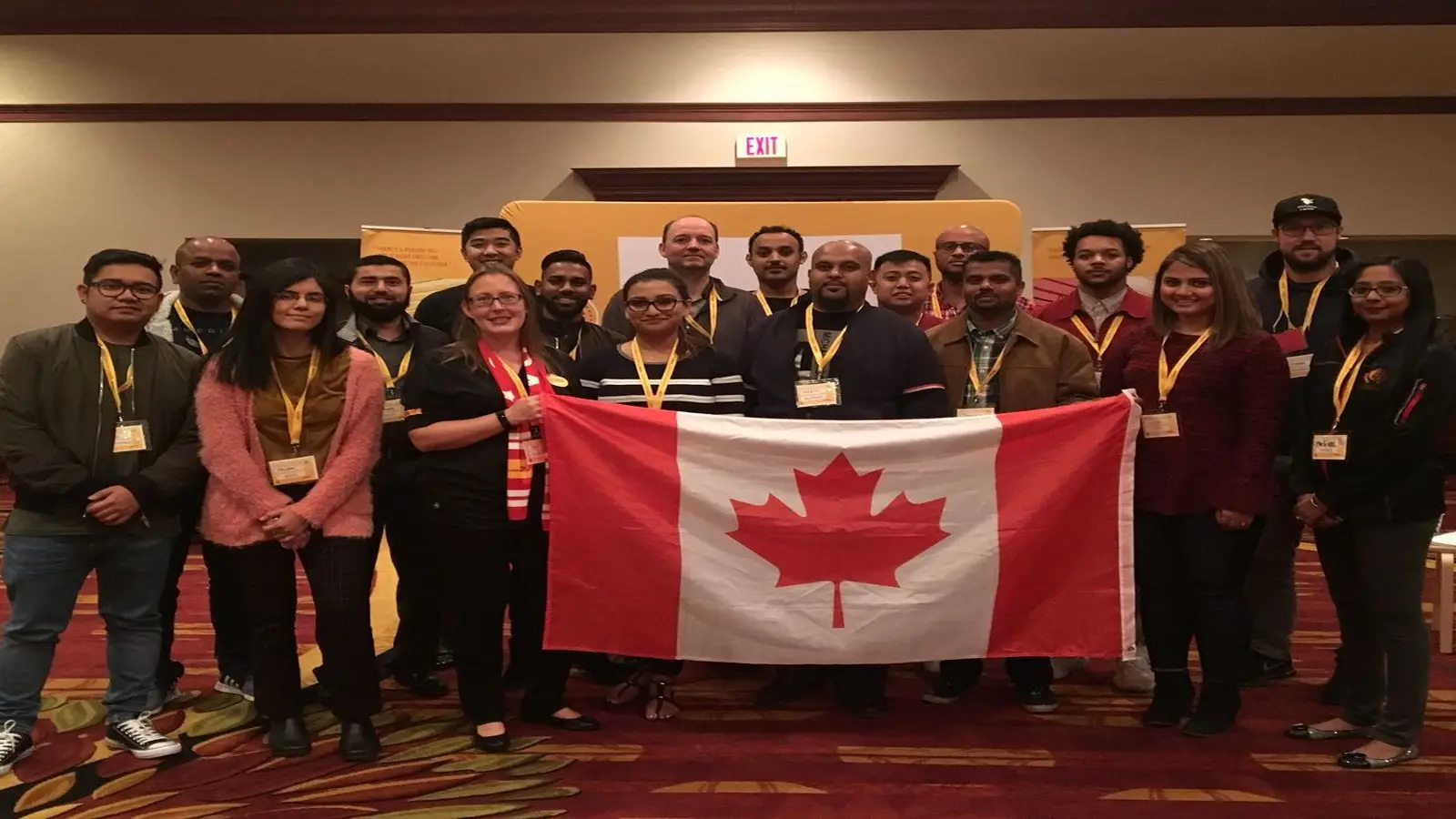
Canada has become an attractive destination for researchers, academics, and professionals looking to share ideas, build connections, and explore new research opportunities. Presenting a paper at an international conference can help students, doctoral scholars, faculty members, and industry experts gain valuable feedback, showcase their findings, and connect with people working in similar fields.
If you are planning to attend a canada conference 2027, understanding the paper submission process can help you prepare a stronger application. From choosing the right conference and preparing your abstract to submitting your paper and presenting your research, Conference Alerts can help you discover relevant academic events.
Why Attend International Research Conferences in Canada in 2027?
Attending international research conferences can help researchers share ideas, learn from experts, and discover new opportunities. These events support academic growth, encourage professional connections, and help researchers gain confidence while presenting their work to a global audience.
Get Valuable Research Feedback: Presenting your work allows you to hear different perspectives from experienced researchers and subject-matter experts. Their suggestions can help you improve your research and identify areas for further study.
Build International Networks: Meet researchers, professors, and professionals from different countries. These connections can lead to meaningful academic relationships, knowledge sharing, and opportunities to work together in the future.
Discover Collaboration and Publication Opportunities: International conferences provide a chance to connect with people who share your research interests. You may find potential collaborators, learn about publication opportunities, and explore new directions for your research.
Improve Presentation and Communication Skills: Explaining your research to an international audience helps you become a more confident speaker. You also learn to present complex ideas clearly and answer questions effectively.
Strengthen Your Academic CV: Presenting a paper at an international conference demonstrates your commitment to research and professional development. It can strengthen your academic profile and support future applications for scholarships, research positions, and further studies.
How to Choose the Right Canada Conference in 2027
Choosing the right conference involves more than finding an event with an interesting title. Researchers should consider their subject area, academic goals, conference credibility, submission requirements, and budget to make an informed decision.
Identify Your Research Field
Start by searching for conferences that match your discipline, whether it is engineering, computer science, medicine, business, education, environmental science, or social sciences. Check that the conference themes align closely with your paper’s research question and objectives.
Verify Conference Credibility
Before registering, review the organizing institution, scientific committee, keynote speakers, and previous editions. Check the official website for submission guidelines, venue details, and publication arrangements. When exploring international conferences in Canada 2027, avoid events promising guaranteed acceptance or making unclear indexing claims.
Find Suitable Events
Use platforms such as Conference Alerts to discover events relevant to your research interests and academic goals. Shortlist suitable options, compare deadlines and registration costs, and verify every canada conference 2027 opportunity through its official website before submitting your paper or making any payment.
Read More:
What Does Q1, Q2, Q3 and Q4 Mean for Journals?
Understand Conference Calls for Papers and Submission Deadlines
Before submitting your research to a conference, take time to review its call for papers and important dates. Understanding the submission process helps you prepare your work properly, avoid last-minute stress, and meet every requirement on time.
Abstract Submission Deadline: Check the final date for submitting your abstract. This is your opportunity to introduce your research topic, objectives, and main findings.
Full-Paper Submission Deadline: Find out when the complete research paper must be submitted, including the required format, references, and supporting information.
Notification of Acceptance: Note when the organizers will announce their decision. This helps you plan revisions, travel arrangements, and presentation preparation.
Camera-Ready Paper Deadline: If your paper is accepted, submit the revised version according to the conference guidelines before the final deadline.
Early-Bird and Regular Registration Deadlines: Compare registration periods to understand the costs and register early when possible to save money.
Conference Dates and Presentation Schedule: Confirm the event dates and check when you are expected to present. This makes it easier to organize your travel, accommodation, and academic commitments.
Prepare a Strong Research Abstract
A strong research abstract helps conference organizers understand your study and decide whether it fits their event. It should present your research clearly, highlight its value, and give reviewers a concise picture of what your work contributes.
What to Include in Your Abstract
A well-written abstract covers the essential parts of your research without unnecessary detail. Keep each element focused so reviewers can quickly understand your study and its relevance.
Background: Introduce the research problem and explain why it matters.
Objective: Clearly state your main research question or study purpose.
Methodology: Briefly describe the methods, data, or analytical approach used.
Results: Summarize your main findings, if available.
Conclusion: Explain the significance of your findings and the contribution your research makes.
Abstract Writing Best Practices
Follow the conference’s word limit and formatting rules from the beginning. Use clear language, highlight your original contribution, avoid unsupported claims, and proofread carefully. Also, confirm whether the event accepts completed studies, preliminary findings, research proposals, or work in progress.
What Happens After You Submit Your Paper?
Once you submit your research paper, the conference team usually begins a review process to determine whether your work meets the event’s requirements. Understanding each stage helps you prepare for the final decision and plan your next steps.
Initial Screening: The organizers check whether your submission fits the conference themes and follows the required formatting and submission guidelines.
Peer Review: When peer review is included, reviewers evaluate your paper’s originality, research methods, relevance, and overall contribution to the field.
Decision from Organizers: You will receive a decision, which may be acceptance, rejection, or a request to revise your submission based on the reviewers’ comments.
Final Paper Submission: If your paper is accepted, you may need to make changes and submit a final camera-ready version before the specified deadline.
Registration and Attendance: Complete the required registration process and follow the conference’s rules for presenting your research, whether in person or online.
Conference Fees, Travel Costs, and Budget Planning
Planning your budget early can make attending a research conference in Canada much easier. Before registering, calculate the expected expenses, compare available options, and check which costs are covered by your institution, research grant, or conference organizers.
Common Conference Expenses
Abstract or Paper Submission Fees: Some conferences charge a submission fee, while others allow researchers to submit their work without an additional cost. Check the event’s official guidelines.
Author or Presenter Registration: Budget for the registration fee required to present your research. Rates may vary depending on registration type and booking date.
Flights, Accommodation, and Local Transportation: Compare flight prices, hotel rates, and local transport options. Booking early may help you manage these major expenses.
Meals and Personal Expenses: Set aside money for daily meals, refreshments, and other personal needs throughout your stay.
Visa-Related Costs: If you need a visa to travel to Canada, account for applicable application fees, biometrics, and related travel documentation expenses.
Poster Printing and Presentation Materials: If you are presenting a poster or oral presentation, consider the cost of printing, display materials, or any equipment you may need.
Tips for Delivering a Successful Conference Presentation
A successful conference presentation helps authors communicate their research clearly, engage the audience, and highlight meaningful contributions. Careful preparation, confident delivery, and professional interaction can make the experience more rewarding.
Before the Conference
Prepare your presentation by following the assigned time limit and slide guidelines. Organize your content around the research question, methodology, findings, and key contributions. Rehearse thoroughly, speak clearly, and test all presentation files and audiovisual equipment beforehand.
During the Presentation
Start by introducing the research problem and explaining why it matters. Use clean, readable slides, concise text, and relevant visuals to support your message. Explain complex ideas in accessible language, engage the audience, and respond to questions respectfully while acknowledging any research limitations.
After the Presentation
Make the most of post-presentation discussions by connecting with researchers who share similar interests. Exchange contact information, welcome constructive feedback, and explore opportunities for collaboration. Follow up with relevant contacts after the conference to maintain professional relationships and encourage future research partnerships.
Preparing for a conference in Canada in 2027 takes more than choosing an interesting event. You need to select a credible conference, write a clear and engaging abstract, meet submission deadlines, and practice your presentation to share your research with confidence. Start early and maintain a checklist to keep every step on track. Explore upcoming opportunities on Conference Alerts, verify official submission requirements, and prepare your research to reach the right international audience in 2027.