
Posted on — Leave a comment

International Conference to Scopus Journal Publication: What Researchers Should Know!

Transitioning a paper from an international conference to a Scopus-indexed journal requires understanding critical differences in review depth, expectations, and academic rules. Although a conference paper can provide a strong foundation for a journal article, researchers should not assume that conference acceptance automatically leads to journal publication or Scopus indexing.

Many researchers present their findings at an international conference to receive feedback, connect with experts, and share new ideas. After the event, they may want to develop their work into a more comprehensive journal article. This process requires careful planning, substantial research development, appropriate journal selection, and compliance with publication ethics.

For researchers exploring international conferences and publication opportunities through All Conference Alert, understanding the transition from conference presentation to journal publication can help them make informed decisions. Essential steps, common mistakes, and practical checks researchers should complete before submitting their work to a Scopus-indexed journal.

1. Understand the Difference Between Conference Papers and Journal Articles

Before preparing your manuscript for a Scopus-indexed journal, understand how conference publications differ from journal articles. Both formats contribute to academic communication, but they may have different objectives, review procedures, publication formats, and expectations for research depth.

An international conference usually provides a platform for researchers to present recent findings, discuss emerging ideas, and receive feedback from other professionals. Depending on the event, organizers may publish abstracts, presentation materials, full papers, or formal proceedings.

A journal article generally requires a more comprehensive presentation of the research. Editors and reviewers may expect a deeper literature review, stronger methodological justification, additional experiments, broader analysis, or a clearer explanation of the study’s contribution.

Consider these differences before planning your next submission:

  • Research depth: A journal article may require more extensive analysis and stronger supporting evidence.
  • Literature review: You may need to examine additional studies and explain how your research advances existing knowledge.
  • Methodology: Explain your research design, data collection, analytical methods, and limitations in greater detail.
  • Results and discussion: Provide a deeper interpretation of your findings and compare them with relevant published research.
  • Peer review: Journal reviewers may examine the research more extensively or evaluate different aspects of the study.
  • Publication requirements: Journals have specific guidelines for manuscript structure, references, figures, declarations, and supplementary files.

Do not assume that every journal requires a completely different study. Instead, review the target journal’s requirements and determine what additional work would make your conference research suitable for its readership.

2. Check Whether the Conference Paper Was Published in Proceedings

Your first step should be to establish the publication status of your conference paper. Presenting a paper at an event and publishing it in formal proceedings are different activities.

Check the official conference website and publisher information to determine whether your paper appeared in:

  • An abstract book or conference programme.
  • A full conference proceedings volume.
  • An academic journal special issue.
  • An online repository or institutional archive.
  • Presentation materials that were never formally published as a full paper.

This distinction matters because the publication format affects how you should prepare your journal submission and disclose your earlier work.

If the conference published only an abstract, you may have more room to develop the full study, subject to the target journal’s policies. If the conference published a complete paper, you must examine the journal’s rules on prior publication, overlapping content, and substantially extended versions of conference papers.

Keep a copy of the published paper, its DOI if available, the proceedings title, the publication date, and the applicable copyright or licence terms. These details will help you make an accurate disclosure when submitting your journal manuscript.

3. Verify the Conference Proceedings’ Indexing Status

Researchers sometimes choose an international conference because the organizer advertises Scopus-indexed proceedings. Before making publication plans, verify the claim independently.

Scopus indexes eligible publication sources and their content; it does not provide a blanket guarantee that every conference event or every paper associated with an event will be indexed.

Use the official Scopus Sources database to check the proceedings series, journal, or other relevant publication source. Confirm the source title, ISSN or ISBN-related publication details where applicable, and coverage information.

Also review the publisher’s official website and the conference’s publication agreement. Distinguish between these statements:

  • The organizer plans to submit proceedings for evaluation.
  • The publisher has agreed to publish the proceedings.
  • The publication source has a history of Scopus coverage.
  • The specific proceedings volume has been published and its individual papers can be verified in Scopus.

These statements do not mean the same thing. A plan to submit proceedings for indexing does not guarantee that Scopus will accept the volume or cover every paper.

If your conference paper is already published, search for its exact title, authors, DOI, or other bibliographic details in Scopus. If you cannot find it, contact the publisher or organizer for clarification rather than assuming it has been indexed.

4. Determine Whether the Journal Accepts Extended Conference Papers

Not every Scopus-indexed journal accepts expanded versions of conference papers. Some journals permit substantially extended manuscripts, while others restrict or reject work that overlaps with previously published proceedings.

Before rewriting your paper, visit the journal’s official website and review its author guidelines, publication ethics policies, and instructions concerning prior conference publications.

Look for answers to these questions:

  • Does the journal accept extended versions of conference papers?
  • Must the earlier conference paper be cited?
  • Does the journal specify a minimum amount of new material?
  • Does it require a statement explaining the relationship between the two versions?
  • Must authors provide the earlier paper during submission?
  • Are there restrictions on duplicate publication or overlapping results?

Do not rely on a universal rule that an extended paper must contain a particular percentage of new material. Requirements vary by journal, discipline, and publisher.

If the policy is unclear, contact the editorial office before submitting. Explain where the earlier version appeared and ask whether your planned journal manuscript is eligible for consideration.

This simple check can prevent you from investing substantial time in a manuscript that the journal cannot accept under its publication policy.

5. Add Meaningful Research Contributions to the Journal Version

A journal manuscript should offer a clear academic contribution beyond the conference paper when the journal requires an extended version. Changing the title, rearranging paragraphs, or adding a few references may not be enough.

Review your original study and identify what you can genuinely improve or extend.

Depending on your research field, useful additions may include:

Additional experiments: Test your proposed method under new conditions, use additional datasets, or compare results across different settings.

Deeper data analysis: Apply suitable statistical tests, investigate important variables, or explore patterns that the conference version could not address fully.

Expanded methodology: Explain the research design, sampling process, experimental setup, model selection, or analytical procedures in greater detail.

Updated literature review: Include relevant research published since the conference submission and explain how your work relates to recent findings.

Stronger theoretical development: Extend the conceptual framework, clarify assumptions, or develop a more detailed explanation of the underlying mechanisms.

Broader discussion: Compare your findings with previous studies, explain practical implications, acknowledge limitations, and identify future research directions.

Additional validation: Test whether your results remain reliable across alternative methods, datasets, scenarios, or assumptions where appropriate.

For example, suppose you presented a machine-learning model at an international conference using one dataset. A stronger journal version might evaluate the model on additional datasets, compare it with suitable baseline methods, include robustness tests, and explain its limitations.

The purpose is not to add material simply to increase the paper’s length. Every extension should improve the study’s evidence, interpretation, reliability, or contribution.

6. Avoid Duplicate Publication and Self-Plagiarism

Publication ethics should guide every stage of the transition from a conference paper to a journal article.

Duplicate publication occurs when authors publish substantially overlapping work as though it were a new, independent contribution without appropriate disclosure. Self-plagiarism commonly refers to reusing one’s previously published text or material without adequate acknowledgement, although policies and terminology vary across publishers.

To avoid these problems, take the following steps:

  • Cite your previously published conference paper.
  • Clearly explain how the journal manuscript differs from the earlier version.
  • Add new analysis, results, or scholarly contributions where required.
  • Rewrite and improve the manuscript to communicate the expanded study accurately.
  • Follow the journal’s rules for reused figures, tables, text, and other material.
  • Obtain permission when the copyright or licence terms require it.
  • Disclose overlapping submissions or related manuscripts as requested by the journal.

Changing the wording alone does not make an unchanged study a new contribution. Similarly, adding a few references does not resolve substantial overlap if the underlying research remains essentially the same.

Be especially careful with figures, tables, datasets, and lengthy passages reproduced from conference proceedings. You may own the underlying research but not necessarily hold unrestricted rights to republish every published element.

If several papers emerge from the same project or dataset, explain their distinct research questions and contributions. Transparent disclosure helps editors assess the manuscript fairly.

7. Choose a Suitable Scopus-Indexed Journal

Once you have developed the manuscript, identify journals that publish research in your field and match the article’s contribution.

Do not select a journal solely because it advertises fast publication, has a familiar title, or appears in a third-party list. A strong subject match and verified indexing status should guide your decision.

Use the following criteria to compare potential journals:

Aims and scope: Confirm that the journal publishes work related to your topic, methods, and intended audience.

Recent publications: Read recent articles to assess the journal’s research focus, methodological expectations, and typical article types.

Scopus coverage: Check the exact journal title and ISSN in the official Scopus Sources database. Review coverage years and available status information.

Peer-review process: Read the journal’s description of editorial assessment and external review.

Editorial credibility: Examine the editorial board, publication history, and research integrity policies.

Publication charges: Confirm applicable article processing charges, page fees, and other costs.

Author guidelines: Check the article length, structure, citation style, figure requirements, and declarations.

Publication timelines: Review any stated decision or publication estimates, but do not treat them as guaranteed outcomes.

If your conference paper is interdisciplinary, consider journals that serve the discipline in which your most important contribution lies. A paper may use methods from one field while addressing a central problem in another.

Create a shortlist of several suitable journals, then rank them according to research fit, editorial standards, verified indexing, practical requirements, and publication policies.

8. Verify Scopus Indexing Before Submission

A journal’s indexing claim should never replace independent verification. Some publications have changed their coverage status, and a journal’s past inclusion does not automatically establish that it remains covered.

Use the official Scopus Sources database to check:

  1. The journal’s exact title.
  2. Its ISSN or electronic ISSN.
  3. The coverage years shown in the database.
  4. Available information about its current or discontinued status.
  5. Whether the source details match the journal you intend to approach.

Check again near the time of submission because database information can change. Save a dated record of your verification for your publication planning.

If your institution or funding body requires a particular indexing status, confirm its exact rules. Some institutions distinguish between the journal’s indexing status, the article’s appearance in Scopus, publication dates, and specific subject or quartile requirements.

Remember that a journal being Scopus-indexed does not guarantee that your manuscript will be accepted. It also does not guarantee a particular publication date or immediate indexing of an accepted article.

9. Prepare the Manuscript According to Journal Requirements

After selecting your target journal, revise and format the manuscript according to its current author guidelines.

A useful preparation process includes the following steps:

Revise the title and abstract. Make sure they accurately represent the expanded study and communicate its main contribution.

Update the introduction. Explain the research problem, relevant literature, knowledge gap, and objectives.

Strengthen the methods section. Provide sufficient detail for readers and reviewers to evaluate your approach and, where applicable, reproduce the study.

Expand the results and discussion. Present the new findings clearly, compare them with previous research, and explain their significance without overstating the evidence.

Review the conclusion. Summarize what the research establishes, acknowledge its limitations, and avoid introducing unsupported claims.

Update references. Check that citations are accurate, relevant, and formatted according to the journal’s requirements.

Prepare figures and tables. Verify image quality, captions, permissions, and consistency with the text.

Complete required declarations. Address authorship, conflicts of interest, funding, ethics approval, informed consent, data availability, and other statements where applicable.

Check submission files. Prepare the manuscript, cover letter, supplementary files, and any required disclosure documents.

Some journals use double-anonymous peer review, which may require you to remove identifying information from the main manuscript and provide a separate title page. Follow the target journal’s instructions rather than assuming every publication uses the same review format.

10. Write a Transparent Cover Letter

Your cover letter should explain why the journal is an appropriate home for your research. If the manuscript extends a conference paper, disclose that relationship clearly.

Include the following information where relevant:

  • The manuscript title and article type.
  • The research problem and principal contribution.
  • Why the paper fits the journal’s aims and scope.
  • The name and details of the conference where the earlier work appeared.
  • The citation or DOI of the conference paper, if available.
  • A concise explanation of the substantive additions in the journal version.
  • Confirmation that the submission complies with the journal’s requirements regarding originality and simultaneous submission.

For example, you might explain that the journal manuscript builds on a conference paper by adding a larger dataset, new comparative experiments, and a more extensive analysis of the results. Only include these details if they accurately describe your work.

Do not claim that the manuscript is entirely unpublished if a closely related version has already appeared in conference proceedings. Clear disclosure gives the editor the information needed to evaluate eligibility and overlap.

11. Understand the Peer-Review and Publication Timeline

Moving from a conference presentation to journal publication can take considerably longer than preparing the original conference paper. The timeline depends on the journal, the complexity of the research, reviewer availability, revision requirements, and editorial decisions.

The process may include:

  1. Initial editorial screening.
  2. Assessment of scope and publication ethics.
  3. External peer review.
  4. A decision requesting revisions, rejecting the manuscript, or accepting it.
  5. Author revisions and resubmission.
  6. Additional review, if required.
  7. Final acceptance and production.
  8. Online publication and subsequent indexing updates.

A journal may request major revisions even when the conference version was accepted without difficulty. Conference acceptance and journal acceptance are separate decisions made under different requirements.

To manage the process, prepare a realistic research schedule. Allow time for additional experiments, manuscript revision, co-author approval, and responses to reviewer comments. If the journal requests revisions, respond to each point carefully and identify the corresponding changes in your manuscript.

Avoid selecting a journal based on an unsupported promise of acceptance within a few days. A credible publication process should provide transparent information about editorial procedures and review expectations.

12. Handle Rejection and Choose the Next Journal Carefully

A journal rejection does not necessarily mean your research lacks value. Editors may decline a manuscript because it falls outside the journal’s scope, does not meet the required level of novelty, or needs further development.

Read the decision letter carefully and identify the main reasons for rejection. If reviewers provide constructive comments, use them to improve your research before submitting elsewhere.

Before sending the manuscript to another journal:

  • Address weaknesses identified by the editor or reviewers.
  • Improve the abstract and explanation of the research contribution.
  • Reassess the fit with the next journal’s aims and scope.
  • Update formatting and declarations according to the new journal’s requirements.
  • Disclose the prior conference publication and relevant overlap.
  • Confirm that the manuscript is no longer under consideration at another journal.

Never submit the same manuscript to multiple journals simultaneously unless a clearly applicable and explicitly permitted publishing arrangement allows it. Most traditional journal submission processes require exclusive consideration while a manuscript is under review.

Use rejection feedback to strengthen the manuscript rather than sending the same version repeatedly to journals with similar requirements.

Common Mistakes Researchers Should Avoid

Researchers can make the conference-to-journal transition more difficult by overlooking basic publication requirements. Avoid these frequent mistakes:

  • Assuming that conference acceptance guarantees journal publication.
  • Treating proceedings indexing claims as proof that every paper will be indexed.
  • Submitting the same conference paper without checking the journal’s prior-publication policy.
  • Making only minor wording changes to an otherwise unchanged manuscript.
  • Failing to cite or disclose the earlier conference version.
  • Ignoring copyright restrictions on published figures and tables.
  • Choosing a journal based only on publication speed or indexing claims.
  • Assuming that past Scopus coverage guarantees current coverage.
  • Overstating the novelty or significance of new results.
  • Ignoring reviewer feedback when preparing a revised submission.

A careful process protects your research record and helps editors evaluate the manuscript based on accurate information.

Final Checklist: From International Conference to Scopus Journal Publication

Before submitting your journal article, use this checklist:

  • I have confirmed whether the conference paper was published and identified its publication format.
  • I have saved the conference paper’s citation, DOI, and relevant publication details.
  • I have checked the target journal’s policy on extended conference papers.
  • I have added meaningful research contributions where required.
  • I have cited and disclosed the earlier conference version.
  • I have checked copyright and reuse permissions for published material.
  • I have verified the journal’s current Scopus coverage through the official database.
  • I have reviewed the journal’s aims, scope, recent articles, and peer-review process.
  • I have confirmed fees, author guidelines, and ethical requirements.
  • I have prepared a cover letter explaining the manuscript’s contribution and relationship to prior work.
  • All co-authors have approved the manuscript and submission.
  • The manuscript is not under simultaneous consideration at another journal.


Transitioning from an international conference to Scopus journal publication requires more than expanding a paper or choosing a journal with an indexing claim. Researchers must establish the conference paper’s publication status, understand the target journal’s policies, develop a meaningful research contribution, disclose prior work, and verify current Scopus coverage independently.

Start by reviewing the conference proceedings and identifying what your research still needs. Then strengthen the manuscript, compare suitable journals, check publication ethics, and follow the selected journal’s submission requirements.

All Conference Alert helps researchers explore international conferences and stay informed about academic opportunities. By combining conference planning with careful journal selection and responsible publication practices, researchers can make better decisions about how to develop and disseminate their work.
Posted on — Leave a comment

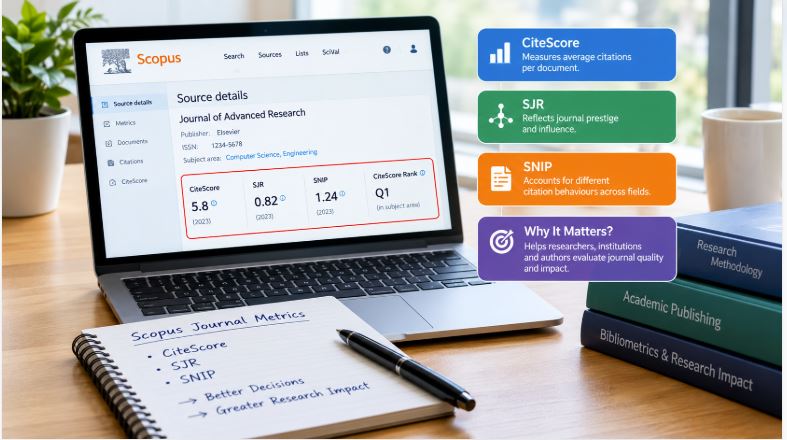
How to Read Scopus Journal Metrics: CiteScore, SJR, SNIP, and Their Significance?

Choosing the right journal is an important step in academic publishing. Understanding how to read Scopus journal metrics helps researchers evaluate journals and make informed publication decisions. Metrics such as CiteScore, SJR, and SNIP offer useful insights into citation impact, journal reputation, and research influence. However, these indicators should always be considered alongside journal quality, scope, and credibility.

Scopus-indexed journals use these metrics to help researchers compare publication venues. CiteScore measures citation impact, SJR considers the influence of citing journals, and SNIP accounts for differences in citation practices across disciplines. Understanding these indicators can help authors select a suitable journal for their research.

What Are Scopus Journal Metrics?

Scopus journal metrics are numerical indicators used to understand a journal’s citation performance and scholarly influence. They help researchers compare journals, assess publication visibility, and make informed decisions when choosing where to submit their work. However, these numbers should be interpreted carefully, as citation patterns vary across academic fields. A journal’s score alone cannot determine the quality or practical value of the research it publishes.

Understanding Cite Score, SJR, and SNIP at a Glance

CiteScore, SJR, and SNIP help researchers understand a journal’s citation performance from different perspectives. CiteScore focuses on average citations, SJR considers the prestige of citing journals, and SNIP adjusts for differences in citation habits across disciplines. Comparing these metrics within the same subject category gives researchers a clearer picture of journal performance and helps them choose a publication venue that fits their research goals.

What Is CiteScore and How Should You Interpret It?

CiteScore measures the average citations received by a journal’s publications over a four-year period. It helps researchers understand how frequently a journal’s content is cited, compare journals within the same subject area, and assess publication visibility. However, CiteScore should be considered alongside journal relevance, editorial standards, and research quality.

Four-year calculation: CiteScore uses citations received over four years divided by the number of eligible documents published during that same period.

Simple example: If a journal receives 800 citations for 200 eligible documents, its CiteScore is 4.0.

CiteScore rank and percentile: Rank shows a journal’s position within a subject category, while percentile indicates how it performs relative to other journals in that category. A higher percentile generally means a stronger relative position.

Strengths and limitations: CiteScore offers a straightforward way to compare citation performance, but citation patterns vary across disciplines, and the average may not reflect every article’s influence.

Choosing the right journal: A higher CiteScore does not automatically make a journal the best choice. Its scope, audience, credibility, and suitability for your manuscript matter just as much.

What Is SJR (SCImago Journal Rank)?

SCImago Journal Rank (SJR) measures a journal’s influence by considering both the number of citations it receives and the prestige of the journals providing those citations. It helps researchers understand whether a journal’s citation impact comes from influential academic sources.

Citation prestige: SJR values citations differently based on the influence of the citing journal.

Weighted citations: A citation from a highly influential journal may carry more weight than one from a less influential source.

Subject categories: Comparing journals within similar disciplines provides a more meaningful understanding of their relative standing.

Research context: A journal’s audience, subject focus, and publishing practices can affect how its SJR should be interpreted.

Limitations: SJR offers useful insights into journal influence, but it cannot independently measure research quality or determine whether a journal suits a particular manuscript.

What Is SNIP (Source Normalized Impact per Paper)?

Source Normalized Impact per Paper (SNIP) measures a journal’s citation impact while accounting for differences in citation practices across academic disciplines. It helps researchers compare journals from different fields more fairly, where the frequency of citations can vary considerably.

Field normalization: SNIP adjusts citation impact according to the citation potential of a journal’s subject area.


Different citation habits: Medical research may receive citations more frequently than humanities research, making direct comparisons difficult.

Fairer comparisons: Normalization helps researchers evaluate journals across disciplines using a more balanced approach.

Interpreting SNIP: A value around 1 generally represents performance near the field-normalized reference level; higher values indicate stronger relative citation impact under the methodology.

Limitations: SNIP improves cross-disciplinary comparisons but cannot fully account for every difference in research quality, publication practices, or citation behaviour.

CiteScore vs. SJR vs. SNIP: Key Differences

When choosing a journal for publication, looking at just one metric may not tell the whole story. CiteScore, SJR, and SNIP each offer a different way to understand a journal’s citation performance. Knowing what each one measures can help researchers make a more informed choice.

Metric

What It Shows

When It Helps

CiteScore

Average citations received by a journal’s documents over four years

When you want to understand how often its publications are cited

SJR

Citation impact based on the prestige of citing journals

When you want to assess a journal’s influence in academic publishing

SNIP

Citation impact adjusted for differences between subject fields

When comparing journals from different disciplines

A simple example: Imagine Journal A has a CiteScore of 6, while Journal B has a CiteScore of 4.5. Journal A receives more citations per document on average. However, Journal B might have a stronger SJR because its citations come from more influential journals, or a higher SNIP relative to its field.

What Do Q1, Q2, Q3, and Q4 Mean in Scopus Journal Rankings?

Scopus journal quartiles show how a journal ranks against others in its subject category. They range from Q1, the highest-ranked group, to Q4, the lowest. Understanding these rankings helps researchers compare journals and make informed publication decisions.

Q1: Top 25% of journals in a subject category.

Q2: Journals ranked between the 25th and 50th percentiles.

Q3: Journals ranked between the 50th and 75th percentiles.

Q4: Bottom 25% of journals in a subject category.

Important: Quartiles can vary by subject category, ranking system, and year. Always verify the source and reporting year before choosing a journal.

How to Use Scopus Journal Metrics to Choose the Right Journal

Choosing a journal involves more than looking at citation scores or quartile rankings. The right journal should match your research topic, reach the intended audience, and follow reliable publishing practices. Scopus metrics can guide your decision, but checking a journal’s credibility and suitability is equally important.

Verify Scopus indexing: Check whether the journal is currently indexed in Scopus and review its coverage dates. A journal’s past inclusion does not guarantee that it remains covered.

Check the journal’s scope: Read its aims and scope carefully. Look at the topics it publishes to see whether your manuscript fits its research interests.

Compare journal metrics: Review CiteScore, SJR, SNIP, percentiles, and available quartile rankings. Compare journals within relevant subject categories rather than relying on a single number.

Read recent publications: Explore recently published articles to understand the journal’s research focus, writing standards, and expectations for submitted manuscripts.

Check editorial credibility: Review the editorial board, peer-review process, publication ethics, and plagiarism policies. Be cautious of journals that promise guaranteed acceptance or unusually fast publication without proper review.

Understand publication costs: Check submission or publication fees, open-access options, waiver policies, and any financial support available through your institution.

Consider review timelines: Look for information about review duration and publication schedules. If these details are unavailable, contact the journal before submitting.

Check institutional requirements: If your university or funding body requires publication in a particular journal category or indexing source, confirm that the journal meets those rules.

Choosing the right journal takes more than checking a score or quartile ranking. CiteScore, SJR, and SNIP each offer a different perspective on journal performance, so consider them alongside research relevance, editorial quality, and publication ethics. Always verify indexing status and current metrics through reliable sources before submitting your manuscript. At ISCOPE Publications, we encourage researchers to make informed publication choices and find journals that genuinely suit their academic goals.

Resource:

What Is a Scopus Q1 Journal and How Can You Identify One?

Posted on — Leave a comment

Top SEO Backlink Submission Sites to Improve Your Search Rankings

Building a strong backlink profile is an important part of a successful SEO strategy. Backlinks can help search engines discover your website, strengthen its authority, and bring relevant referral traffic. However, not every backlink provides the same value. Choosing relevant and trustworthy SEO backlink submission sites is essential for creating a healthy link profile.

Whether you are promoting a new website, an online business, or an established brand, submitting your website to reputable platforms can complement your broader link-building strategy.

What Are SEO Backlink Submission Sites?

SEO backlink submission sites are online platforms where website owners can submit their website URL, business information, articles, profiles, or other content to receive a link pointing back to their website.

These platforms can include business directories, social bookmarking websites, profile creation platforms, article publishing websites, local directories, and community-based websites.

The main goal should not simply be to collect hundreds of links. Instead, focus on earning links from websites that are relevant, trustworthy, and useful to your target audience.

Why Are Backlinks Important for SEO?

Backlinks act as references from one website to another. When a reputable website links to your content, it can provide useful context and potentially send visitors to your website.

Quality backlinks can help with:

Improving website visibility
Increasing referral traffic
Supporting website authority
Helping search engines discover content
Building brand credibility
Strengthening an overall SEO strategy

Types of Backlink Submission Sites

https://daily.dev/posts/how-to-submit-a-research-paper-to-an-international-gynecology-conference-in-spain–9zo8pj4ws

https://blogs.lawships.in/wp-content/uploads/2026/08/How-the-Law-Conference-in-New-Delhi-2026-Can-Shape-Your-Legal-Career.pdf

https://carterbinjamin.stck.me/post/2143113/Legal-Education-and-Practice-Highlights-of-New-Delhi-Law-Conference-2026

https://b2barticles.com/post/how-to-find-relevant-medical-conferences-in-bangalore-for-your-field

How to Choose the Best Backlink Submission Sites

Not every website is worth submitting to. Before creating a backlink, evaluate the platform carefully.

First, check relevance. A backlink from a website related to your industry is generally more meaningful than a link from an unrelated platform.

Next, consider the website’s reputation and quality. Avoid directories or websites filled with spam, automatically generated pages, or suspicious links.

You should also look at whether the platform has real users and useful content. A website that attracts genuine visitors can potentially provide referral traffic in addition to SEO benefits.

How to Submit a Backlink Correctly

Start by selecting a reputable and relevant website. Create an account if required and complete your profile or business listing with accurate information.

When adding your website link, use a natural description that clearly explains what visitors will find on your website. Avoid repeatedly using exact-match keywords as anchor text.

After submitting your information, verify the listing if necessary and check that the page has been published correctly.

Keep a record of your submissions so you can monitor your backlink profile and remove outdated or poor-quality listings when appropriate.

Common Backlink Submission Mistakes

One of the biggest mistakes is focusing only on the number of backlinks. Hundreds of low-quality links are not necessarily better than a smaller number of relevant links.

Other mistakes include:

Submitting to unrelated websites
Using the same anchor text repeatedly
Creating duplicate descriptions
Using automated submission software
Joining spammy directories
Building links too aggressively
Ignoring the quality of referring domains

Do-Follow and No-Follow Backlinks

You may encounter both do-follow and no-follow links when using backlink submission sites. A do-follow link can pass certain ranking signals, while a no-follow link generally tells search engines not to treat the link as a direct endorsement for ranking purposes.

That does not mean no-follow links are useless. They can still generate referral traffic, increase visibility, and contribute to a natural-looking backlink profile.

Best Practices for SEO Backlink Building

The most effective approach is to prioritize quality, relevance, and consistency. Publish useful content that other websites want to reference, build relationships within your industry, and choose backlink opportunities that make sense for your audience.

Instead of trying to obtain links from every available submission website, create a carefully selected list of reputable platforms. Review your backlinks regularly and focus on building a diverse link profile.

SEO backlink submission sites can be useful when they are incorporated into a broader and responsible SEO strategy. Business directories, local listings, professional profiles, social platforms, and quality content websites can all provide opportunities to increase online visibility.

The key is to avoid chasing backlinks purely for quantity. Choose trustworthy and relevant platforms, provide accurate information, use natural descriptions, and focus on creating valuable content. With consistent effort, backlink submissions can support your website’s visibility, authority, and long-term SEO growth.

Posted on — Leave a comment

The Future of Learning Is Changing: Exploring Modern Education Conferences

Education is evolving rapidly as technology, innovative teaching methods, and changing learner needs reshape how knowledge is shared and experienced. From artificial intelligence and digital classrooms to personalized learning and collaborative approaches, today’s education landscape is more dynamic than ever. Education conferences provide valuable spaces where educators, researchers, institutions, and industry experts come together to exchange ideas, explore emerging trends, and discuss practical solutions. In this article, we’ll explore how modern education conferences are shaping the future of learning, highlighting key themes, benefits, innovations, and opportunities for education professionals.


What Are Modern Education Conferences?


Modern education conferences are events where educators, researchers, technology experts, administrators, and other professionals meet to share ideas, research, teaching strategies, and innovations. Unlike traditional academic or teaching conferences, modern events often focus more on practical solutions, collaboration, technology, and emerging trends. They may be held in person, virtually, or in hybrid formats, allowing participants to join online or onsite. Attendees typically include teachers, professors, school leaders, researchers, policymakers, education companies, and students interested in improving learning and teaching.

 Why Are Education Conferences Important for the Future of Learning?

Conferences play an important role in shaping the future of learning by bringing together educators, leaders, and innovators. They provide opportunities to discover new teaching strategies, student-centered methods, and evidence-based practices. These events also encourage professional networking, institutional collaboration, and the exchange of experiences and challenges. By exploring emerging trends such as digital transformation, personalized education, and innovative learning approaches, educators can adapt to changing needs and create more effective learning experiences for students.

Key Trends Shaping Modern Education

Modern education is evolving through emerging approaches that are transforming teaching and learning. Artificial intelligence is driving personalized learning while encouraging responsible adoption. Digital and hybrid learning continue to expand through online education, hybrid classrooms, and virtual environments. Student-centered approaches focus on adaptive learning, individual needs, and engagement. Inclusive education emphasizes accessibility, diversity, and removing learning barriers. Meanwhile, skills-based and lifelong learning prioritize future-ready skills, career development, and continuous professional growth to prepare learners for evolving opportunities.

How Education Conferences Are Changing the Learning Experience?

Conferences are reshaping the learning experience by connecting educators with global ideas, innovative practices, and emerging technologies. They transform research into practical teaching strategies that can be applied in classrooms and institutions. These events also strengthen collaboration between teachers, researchers, and technology innovators, helping education systems address new challenges effectively. By sharing knowledge, experiences, and solutions, conferences create valuable opportunities for continuous professional development, empowering educators to adapt, innovate, and deliver more engaging and effective learning experiences.

What Can Educators Gain From Attending Education Conferences?

Attending education conferences offers educators valuable opportunities to grow both personally and professionally. They can discover innovative teaching strategies, fresh classroom ideas, and effective approaches to student engagement. Conferences also provide opportunities to build professional networks and connect with fellow educators and experts. Participants can explore the latest educational technologies, gain insights from current research and industry developments, and strengthen their professional skills. Most importantly, these events can inspire educators, boost motivation, and encourage continuous improvement in their teaching practices.

The Rise of Global and Virtual Education Conferences


Technology has transformed education conferences, making international events more accessible than ever before. Virtual platforms allow educators to participate in global conferences without the cost, time, or challenges of travel. Online participation also creates valuable opportunities to exchange ideas, share innovative teaching practices, and build professional connections with educators worldwide. As digital learning continues to evolve, hybrid conferences are becoming increasingly important, combining the flexibility of virtual attendance with the engagement and networking benefits of in-person experiences.


The future of learning depends on continuous innovation, collaboration, and a commitment to professional growth. Education conferences give educators valuable opportunities to discover new teaching strategies, explore emerging technologies, exchange ideas, and connect with professionals from around the world. By bringing diverse perspectives and innovative solutions together, these conferences help educators respond to changing learner needs. Ultimately, the future of education is not shaped by technology alone—it is shaped by the educators, ideas, and meaningful connections that inspire positive change.


Resource:

Planning for Upcoming Education Conferences in Chennai


Posted on — Leave a comment

Why Professionals and Researchers Are Choosing South Korea for Global Conferences?

South Korea is becoming one of Asia’s most attractive destinations for global conferences, bringing together professionals, academics, researchers, and industry leaders from around the world. Known for its technological innovation, strong research environment, modern infrastructure, and global connectivity, the country provides an ideal setting for international events. Seoul, Busan, and other major cities regularly host business, academic, technology, medical, and research conferences. As international collaboration continues to grow, professionals and researchers are increasingly choosing South Korea to gain knowledge, build valuable networks, explore emerging innovations, and develop opportunities for global partnerships.


South Korea’s Growing Reputation as a Global Conference Destination


South Korea is emerging as a leading global conference destination, supported by its strategic location in Asia and strong position in the global economy. The country has experienced significant growth in international conferences, business events, and professional gatherings. Cities such as Seoul, Busan, and Incheon attract international attendees through their modern infrastructure, excellent connectivity, advanced technology, world-class venues, and vibrant cultural experiences. These strengths make South Korea an increasingly attractive choice for organizations hosting major international events.


Access to Innovation and Cutting-Edge Research


South Korea is a global leader in technology, science, engineering, healthcare, and innovation. Its advanced research institutions and dynamic industries provide conference attendees with opportunities to explore emerging technologies, groundbreaking research, and the latest industry developments. International conferences create valuable platforms for researchers, academics, and professionals to exchange knowledge, share innovative ideas, and build collaborations. Access to South Korea’s strong research ecosystem makes attending conferences especially beneficial for those seeking new insights, professional connections, and opportunities for future innovation.


Opportunities for Global Networking


South Korea’s international conferences provide valuable opportunities to connect with researchers, academics, business leaders, and industry professionals from around the world. These events encourage participants to build international partnerships, exchange expertise, and develop meaningful collaborations. Networking extends beyond formal conference sessions through social events, workshops, exhibitions, and informal discussions. Such interactions can lead to new research partnerships, business opportunities, and professional relationships, making South Korea an ideal destination for individuals seeking to expand their global networks and strengthen international connections.


World-Class Conference Infrastructure


South Korea offers world-class infrastructure that supports successful international conferences and professional events. Its modern convention centers, advanced event facilities, and well-equipped meeting venues provide comfortable and efficient spaces for large gatherings. Reliable public transportation, high-speed internet, and strong digital connectivity make travel and communication convenient for international visitors. In addition, professional event management services ensure smooth organization and coordination. Excellent international air connections and accessible facilities further strengthen South Korea’s reputation as a convenient and dependable destination for global conferences.


Academic and Research Collaboration


International conferences in South Korea provide valuable opportunities for researchers and academics to present their work, receive constructive feedback, and gain new perspectives. These events bring together universities, research institutions, industry experts, and international organizations, creating an environment for meaningful academic exchange. Participants can develop professional connections that may lead to joint research projects, academic publications, knowledge-sharing initiatives, and long-term collaborations. 

Benefits for Career and Professional Development


Attending international conferences in South Korea can significantly support career and professional development. Participants gain exposure to international perspectives, emerging trends, and diverse approaches within their fields. Learning from experienced experts, researchers, and industry thought leaders provides valuable knowledge and practical insights. Conferences also offer opportunities to showcase expertise, exchange ideas, and build meaningful professional relationships. 


What to Consider Before Attending a Conference in South Korea?


Before attending a conference in South Korea, participants should carefully plan several practical aspects. Checking visa and entry requirements in advance can help ensure a smooth journey. Travelers should also arrange flights, accommodation, and local transportation according to the conference schedule. Early registration and thorough presentation preparation are important for a successful experience. Understanding basic Korean language and cultural etiquette can improve communication and interactions.

South Korea offers a powerful combination of innovation, research, networking opportunities, world-class infrastructure, and rich cultural experiences. These strengths make the country an attractive destination for international professionals, researchers, academics, and industry leaders seeking knowledge, collaboration, and professional growth. Attending a conference in South Korea provides more than access to expert discussions and emerging ideas; it also creates opportunities to experience a new culture, build global connections, and gain broader perspectives. 

Read More: Best Universities and Conference Venues in South Korea

Posted on — Leave a comment

Why Researchers Should Attend the International Conference on Medical & Health Science in India?

Medical and health science conferences have become essential platforms for sharing research findings, discussing emerging healthcare challenges, and promoting collaboration among professionals worldwide. India is increasingly attracting researchers due to its rapidly developing healthcare system, expanding medical research, diverse population, and strong academic institutions. The International Conference on Medical & Health Science (ICMHS) brings together researchers, scientists, healthcare professionals, academics, and industry experts to exchange knowledge and present recent advancements across medical and health sciences. By attending ICMHS, researchers can gain valuable insights into emerging trends, discover opportunities for interdisciplinary collaboration, expand their professional networks, present their research to an international audience, and contribute to meaningful discussions shaping the future of healthcare.

What Is the International Conference on Medical & Health Science (ICMHS)?

International Conference on Medical & Health Science (ICMHS) is a global academic platform that brings together researchers, academics, healthcare professionals, scientists, and students to share knowledge and discuss recent developments in medical and health sciences. The conference focuses on emerging research, innovative healthcare practices, clinical advancements, and interdisciplinary approaches to improving health outcomes. With participation from experts and researchers from different countries, ICMHS encourages international collaboration, knowledge exchange, and professional networking. It provides an excellent opportunity for participants to present research, explore new ideas, and gain valuable insights from diverse perspectives.

Why Attend Medical Conferences in India?

India’s rapidly growing healthcare and research ecosystem makes it an increasingly valuable destination for medical and health science professionals. Attending medical conferences in India provides researchers with opportunities to connect with scientists, academics, healthcare professionals, and students from diverse backgrounds. These events offer exposure to emerging medical research, innovative technologies, clinical developments, and evolving healthcare practices. They also create valuable opportunities for academic exchange, interdisciplinary discussions, and professional networking. By participating in conferences in India, researchers can share their findings, gain new perspectives, develop meaningful collaborations, and strengthen their academic and professional connections within the global healthcare community.

Key Benefits of Attending ICMHS for Researchers

Attending the International Conference on Medical & Health Science (ICMHS) offers researchers valuable opportunities to enhance their knowledge and professional growth. Participants can explore the latest research trends, emerging healthcare developments, and innovative approaches within medical and health sciences. The conference also provides opportunities to learn directly from experienced researchers, academics, and healthcare experts through presentations and discussions. In addition, ICMHS helps researchers build meaningful professional connections with peers and specialists from different backgrounds. These interactions can lead to research partnerships, interdisciplinary collaborations, knowledge exchange, and future academic or professional opportunities.

Present and Gain Feedback on Your Research

Presenting research at an international conference provides researchers with an opportunity to share their work with a diverse audience of experts, academics, and healthcare professionals. At ICMHS, researchers can present their methodologies, findings, and key insights while receiving constructive feedback from experienced professionals and fellow participants. Such feedback can help identify strengths, address limitations, improve research approaches, and refine conclusions. Conference discussions can also introduce new perspectives and ideas, helping researchers explore future research directions. Engaging with an international audience can therefore strengthen the quality, relevance, and potential impact of their research.

Network With Global Researchers and Experts

Networking at an international medical conference provides researchers with valuable opportunities to build meaningful professional relationships with experts from around the world. At ICMHS, participants can connect with academics, scientists, healthcare professionals, researchers, and industry experts who bring diverse knowledge and experiences. These interactions can encourage the exchange of ideas, introduce researchers to different approaches, and create opportunities for continued professional engagement. Meaningful connections made during the conference may also lead to research partnerships, interdisciplinary projects, joint publications, academic collaborations, and other professional opportunities, helping researchers expand their global network and strengthen their careers.

Explore the Latest Trends in Medical & Health Science

Attending ICMHS gives researchers an opportunity to explore the latest trends, innovations, and developments shaping medical and health science. Conference sessions can highlight emerging technologies, advanced diagnostic and treatment approaches, digital healthcare solutions, and new methods in medical research. Researchers can also gain insights into current challenges affecting healthcare and discover how experts are addressing them through innovative strategies. Presentations, panel discussions, and knowledge-sharing sessions help participants stay informed about recent developments in their fields. This exposure can support researchers in identifying new research opportunities, improving their approaches, and keeping their knowledge aligned with evolving healthcare practices.

Opportunities for Research Collaboration

International conferences such as ICMHS bring together researchers, academics, scientists, and healthcare professionals who share common research interests. These interactions create opportunities to identify potential collaborators, exchange ideas, and develop research projects that combine different areas of expertise. Researchers may also explore possibilities for joint publications, cross-institutional studies, and interdisciplinary research initiatives. Working with professionals from different institutions and countries can provide access to diverse knowledge, research methods, and perspectives. Such international collaboration can strengthen research quality, encourage innovation, expand academic networks, and contribute to findings that have broader relevance across healthcare and medical science.

Learn From Keynote Speakers and Industry Experts

Keynote presentations and expert sessions at ICMHS provide researchers with valuable opportunities to learn from experienced professionals in medical and health sciences. These sessions can offer practical insights into emerging research, healthcare innovations, clinical developments, and real-world challenges. By listening to experts share their knowledge, experiences, and perspectives, participants can gain ideas that may strengthen their own research and professional practice. Researchers can also benefit from interactive discussions, question-and-answer sessions, and direct engagement with speakers. Such exchanges encourage deeper understanding, critical thinking, and meaningful conversations about current and future developments in healthcare and medical research.

Why ICMHS Can Be Valuable for Your Research Career?

Participating in the International Conference on Medical & Health Science (ICMHS) can provide lasting value for researchers seeking to advance their academic and professional careers. The conference offers opportunities to expand knowledge, discover emerging research trends, receive expert feedback, and connect with researchers and healthcare professionals from diverse backgrounds. These experiences can support new collaborations, joint research projects, publications, and professional opportunities. Engaging with the wider international research community also helps researchers exchange ideas, develop broader perspectives, and stay connected with developments in medical and health science, making conference participation a valuable step toward continued research and career growth.

Attending the International Conference on Medical & Health Science in India offers researchers a valuable platform to learn, connect, present, and collaborate. Participants can stay informed about the latest developments in medical and health science, gain insights from experts, and exchange ideas with researchers from diverse backgrounds. Presenting research also provides opportunities to receive constructive feedback and explore new directions for future studies. Furthermore, meaningful networking can lead to academic partnerships, collaborative projects, and professional growth. Researchers looking to expand their knowledge, strengthen their networks, and contribute to the global research community are encouraged to explore and participate in ICMHS in India.


Posted on — Leave a comment

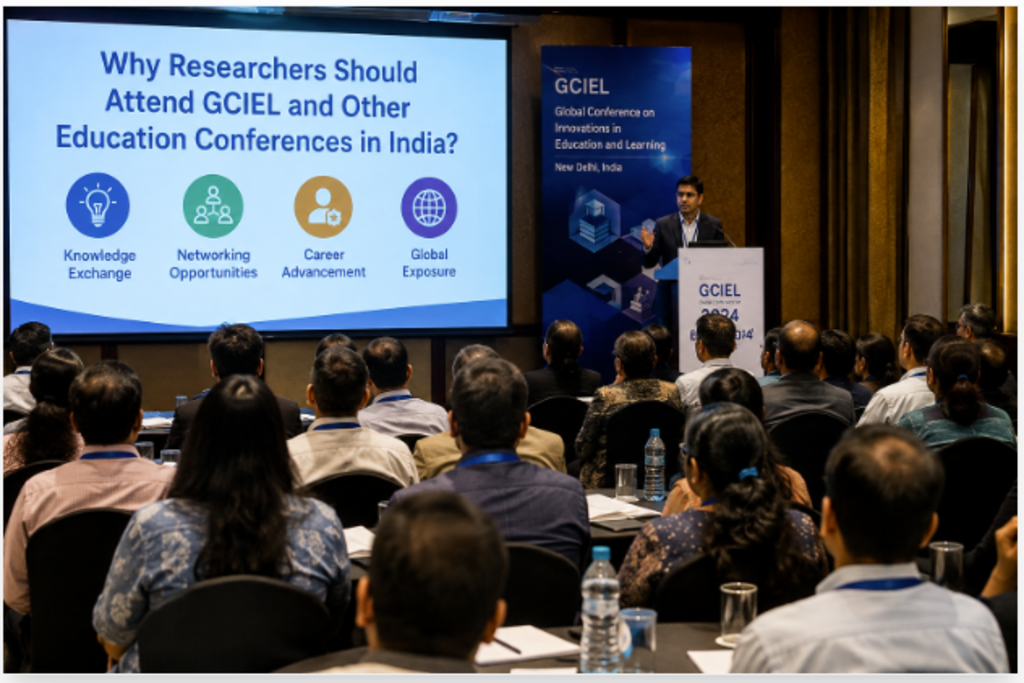
Why Researchers Should Attend GCIEL and Other Education Conferences in India?

Education conferences have become increasingly important for researchers seeking to share knowledge, exchange ideas, and stay informed about emerging trends in the field. Beyond traditional academic publishing, conferences provide valuable opportunities for networking, collaboration, professional development, and meaningful discussions with fellow researchers and educators. The Global Conference on Innovations in Education and Learning (GCIEL) brings together academics, educators, and professionals to explore innovative approaches and developments in education. This article explains why researchers should attend GCIEL and other education conferences in India, highlighting the key benefits, opportunities, and experiences they can gain.

What Is GCIEL?


The Global Conference on Innovations in Education and Learning (GCIEL) is a platform that brings together researchers, educators, academics, and education professionals to exchange ideas and explore emerging developments in teaching and learning. The conference focuses on key themes such as educational innovation, technology, research, pedagogy, and inclusive learning. By encouraging collaboration and knowledge sharing, GCIEL connects global perspectives with India’s evolving education landscape. It provides participants with opportunities to discuss challenges, present research, discover new approaches, and contribute to meaningful conversations about the future of education.


Why Education Conferences in India Matter for Researchers?


These events play a vital role in strengthening India’s growing academic and research ecosystem. They provide researchers with valuable exposure to emerging fields, innovative ideas, and evolving academic trends. Participants can connect with scholars, educators, and professionals from diverse institutions and disciplines. Through meaningful discussions, presentations, and networking, researchers can exchange knowledge, share perspectives, and explore potential collaborations. Such interactions support professional growth, encourage interdisciplinary research, and contribute to building a stronger, more connected academic community.


Top Reasons Researchers Should Attend GCIEL


Attending GCIEL offers researchers valuable opportunities to present their work, connect with academics, explore emerging educational trends, discover collaborations, learn from experts, and strengthen their professional profiles.

Present and Discuss Your Research

Researchers can present their findings, receive constructive feedback from academics and peers, and refine their ideas through meaningful questions and discussions.

Build an Academic and Professional Network

Connect with researchers, educators, and institutions, develop lasting academic relationships, and discover potential collaborators for future research projects and initiatives.

Discover Emerging Trends in Education

Explore innovative teaching methods, educational technology, digital learning, artificial intelligence, emerging technologies, and new directions shaping contemporary educational research.

Explore Research Collaboration Opportunities

Identify researchers with similar interests, explore joint studies and interdisciplinary projects, and develop valuable international and cross-institutional research collaborations.

Gain Insights From Experts

Learn from keynote speakers and experienced academics while gaining valuable perspectives on current educational challenges, developments, research practices, and learning approaches.

Strengthen Your Academic Profile

Conference participation supports professional development, improves communication and presentation skills, and increases researchers’ visibility within the academic and professional community.

GCIEL vs. Other Education Conferences in India

Choosing the right conference can significantly influence a researcher’s academic experience and professional growth. GCIEL and other education conferences in India may share opportunities for research presentations, networking, and knowledge exchange, but they can differ in themes, academic communities, and collaboration opportunities. Researchers should consider the conference’s focus, relevance to their research area, opportunities to present and receive feedback, networking potential, and participating institutions. Comparing these factors helps researchers select a conference that aligns with their academic goals and research interests.


Who Should Attend GCIEL and Education Conferences?


GCIEL and other education conferences provide valuable opportunities for researchers, educators, and academic professionals to exchange knowledge and build meaningful connections. PhD scholars and doctoral researchers can present their work and receive feedback, while university and college faculty can share teaching practices and research insights. Early-career and education researchers can expand their networks and discover collaboration opportunities. EdTech professionals can explore emerging technologies, while academic leaders and policymakers can gain perspectives on educational developments, challenges, and future directions shaping the sector.


Making the Most of Your Conference Experience


Conference becomes more valuable when participants actively engage beyond simply attending sessions. Researchers should participate in discussions and Q&A sessions, attend presentations and workshops relevant to their interests, and take opportunities to connect with fellow academics outside formal sessions. Exchanging research ideas, resources, and perspectives can lead to valuable insights and future collaborations. After the event, following up with new academic contacts helps maintain relationships, strengthen professional networks, and turn meaningful conference interactions into lasting opportunities.


Attending GCIEL and other education conferences in India can offer researchers valuable opportunities for academic growth, knowledge exchange, and professional development. These events encourage meaningful research discussions, networking with academics and professionals, exposure to innovative ideas, and opportunities for collaboration across institutions and disciplines. By actively participating in presentations, discussions, and networking activities, researchers can strengthen their academic connections and discover new possibilities. Choosing conferences that align with specific research interests and professional goals can help maximize the overall value of the conference experience.


Posted on — Leave a comment

Top Call for Papers in USA 2026: Opportunities for Researchers and Academics!

Academic conferences in the USA continue to be essential platforms for researchers, scholars, and professionals to exchange knowledge and present groundbreaking ideas. Call for Papers (CFP) announcements encourage academics to submit their innovative research, contribute to discussions, and gain global recognition. Participating in USA-based conferences in 2026 provides valuable opportunities for networking, collaboration, and publication. These events help researchers explore emerging trends and expand their academic impact. Call for Papers USA 2026 highlights the best research and publication opportunities available for scholars seeking meaningful academic growth.


Why Choose USA Conferences for Research Paper Submission in 2026?

Choosing USA conferences for research paper submission in 2026 offers scholars valuable opportunities to connect with leading academic communities and industry professionals worldwide. These conferences provide a platform to exchange innovative ideas, explore emerging research trends, and build meaningful collaborations. Researchers can enhance their academic visibility through publication opportunities in conference proceedings and reputed journals. Participation also supports professional development, skill enhancement, and career growth for students, scholars, and experts seeking recognition in their respective fields.

Top Fields Offering Call for Papers in USA 2026

USA continues to host diverse academic conferences covering multiple disciplines, providing researchers with opportunities to submit innovative studies, share discoveries, and collaborate with global experts across emerging and established research fields in 2026.

Technology and Computer Science

Technology and computer science remain leading research fields, offering opportunities to explore digital innovation, advanced computing, and solutions shaping the future. Conferences in this area welcome studies on artificial intelligence, machine learning, cybersecurity, data science, and emerging technologies.

Engineering and Innovation

Engineering conferences focus on developing creative solutions through scientific advancements and practical applications. Researchers can contribute studies related to sustainable engineering, robotics, renewable energy, smart technologies, and innovative engineering systems.

Business and Management

Business and management research conferences provide platforms for analyzing modern industry trends, economic developments, and organizational strategies. Key research areas include digital transformation, entrepreneurship, finance, economics, and marketing research.

Healthcare and Life Sciences

Healthcare and life science conferences support research aimed at improving medical practices, healthcare systems, and biological discoveries. Researchers can present work related to medical innovations, biotechnology, public health, and healthcare technology advancements.

Social Sciences and Humanities

Social sciences and humanities conferences encourage research on human behavior, society, education, and cultural development. Popular areas include education research, psychology, communication studies, and cultural studies, offering opportunities for interdisciplinary exploration.

How to Find the Best Call for Papers in USA 2026


Finding the right Call for Papers in USA 2026 requires careful research and evaluation. Researchers should explore official conference websites, follow academic associations, and connect with research communities for reliable updates. University-hosted conferences and trusted research platforms can help identify suitable submission opportunities. Before submitting papers, scholars should review conference reputation, publication policies, deadlines, and credibility. These steps ensure researchers select valuable platforms for presenting their work and advancing their academic careers.


Important Factors to Consider Before Submitting Your Research Paper


Before submitting a research paper to a conference, researchers should carefully evaluate important factors to ensure a successful academic experience. Checking the conference reputation, organizer credibility, and research scope helps identify suitable opportunities. Authors should review submission deadlines, publication options, and peer-review procedures to understand the evaluation process. Additionally, considering registration requirements, guidelines, and participation details ensures proper preparation. Careful assessment of these factors helps researchers choose reliable conferences and improve their chances of meaningful academic contribution.

Benefits of Presenting Research at USA Academic Conferences


Presenting research at USA academic conferences provides valuable opportunities for scholars to enhance their academic journey and professional growth. Researchers can strengthen their reputation by sharing innovative ideas with experts and receiving constructive feedback. These conferences encourage collaboration, helping participants build professional networks and discover future research partnerships. Additionally, presenting at conferences improves communication and presentation skills while increasing visibility within the academic community. Such platforms allow researchers to gain recognition and contribute to global knowledge development.


Upcoming Trends in Research Conferences USA 2026

Research conferences in the USA in 2026 will focus on emerging technologies, sustainability, and innovative solutions addressing global challenges. Key research trends include artificial intelligence, automation, digital healthcare, advanced computing, and Industry 5.0. These conferences will encourage interdisciplinary collaboration among researchers from diverse fields to develop impactful solutions. Scholars will have opportunities to explore new advancements, share discoveries, and connect with experts working on future-oriented research areas shaping technology, society, and industry.

Participating in academic conferences through Call for Papers USA 2026 provides researchers with valuable opportunities to share knowledge, present innovative ideas, and connect with global academic communities. Exploring CFP announcements early allows scholars to prepare strong submissions and choose the right platforms for their research. Conference participation supports collaboration, professional networking, and career development while enhancing academic visibility. Researchers should actively seek upcoming opportunities to contribute their work and make meaningful progress in their fields.


Read More:

Global Academic Conference Industry: Key Statistics, Market Size, and Growth Trends (2025–2027)

Research Ethics: Why Ethical Considerations Matter in Every Study

How Many NCAA Conferences Are There in Different Sports and Divisions?

Posted on — Leave a comment

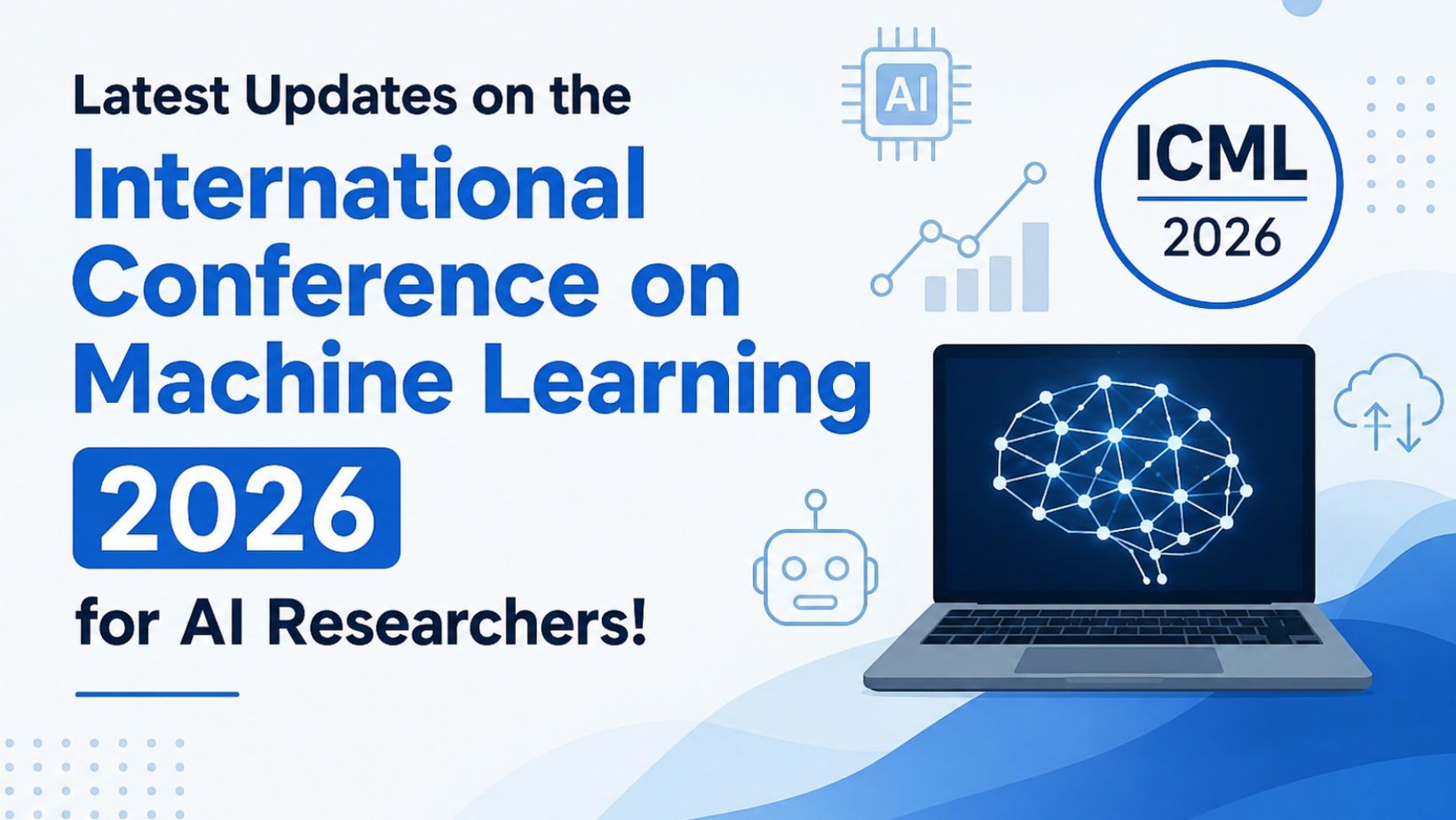
Latest Updates on the International Conference on Machine Learning 2026 for AI Researchers!

The International Conference on Machine Learning (ICML) 2026 is expected to be one of the most significant global events for artificial intelligence and machine learning professionals. Every year, ICML brings together researchers, academics, industry experts, and students to share discoveries, discuss emerging technologies, and explore the future of AI. As one of the world’s leading international conference events in machine learning, ICML continues to attract thousands of participants from universities, research institutions, and technology companies worldwide.

Why ICML 2026 Matters

Machine learning is advancing rapidly, influencing industries such as healthcare, finance, cybersecurity, robotics, education, and autonomous systems. ICML 2026 will provide a platform where researchers can present innovative algorithms, discuss practical applications, and collaborate on solutions to complex AI challenges.
For AI researchers, attending this International Conference offers valuable opportunities to stay informed about the latest scientific developments while building connections with experts from around the world.

Expected Research Topics

ICML 2026 is expected to feature a wide range of cutting-edge machine learning topics, including:
• Deep Learning and Neural Networks
• Reinforcement Learning
• Generative AI and Large Language Models
• Computer Vision
• Natural Language Processing
• AI Ethics and Responsible Machine Learning
• Federated Learning
• Explainable Artificial Intelligence (XAI)
• Robotics and Autonomous Systems
• AI for Healthcare and Scientific Research
These research areas reflect the growing demand for innovative AI solutions across academic and industrial sectors.

Opportunities for Researchers

The International Conference provides much more than technical presentations. Researchers can gain valuable experience by presenting papers, attending keynote sessions, participating in workshops, and networking with experts from leading universities and global technology companies.

Early-career researchers and PhD students benefit from receiving constructive feedback on their work, discovering new research collaborations, and learning about career opportunities in academia and industry.

Paper Submission and Review Process

Authors planning to submit research should begin preparing their manuscripts well in advance of the official deadlines. High-quality submissions typically demonstrate originality, strong experimental validation, clear methodology, and meaningful contributions to the machine learning community.

Researchers are encouraged to carefully review submission guidelines, formatting requirements, and evaluation criteria before submitting their work. Strong preparation significantly improves the chances of acceptance at this prestigious International Conference.

Networking and Collaboration

One of the greatest advantages of attending ICML 2026 is the opportunity to build international research networks. Face-to-face discussions with AI experts often lead to collaborative projects, joint publications, and long-term academic partnerships.

The conference also allows participants to explore emerging research trends, exchange practical ideas, and learn about the latest tools and frameworks that are shaping the future of artificial intelligence.

The International Conference on Machine Learning 2026 promises to be an exceptional event for anyone involved in artificial intelligence research. From groundbreaking technical sessions to valuable networking opportunities, ICML continues to serve as a global meeting point for innovation in machine learning.

Whether you are an experienced researcher, a graduate student, or an AI professional, participating in this International Conference can help expand your knowledge, strengthen your professional network, and inspire future research. Staying informed about conference announcements, submission deadlines, and program updates will help you make the most of this highly anticipated event.

Also Read More – Fast-Track Publishing: Conferences with Quick Peer Review

Posted on — Leave a comment

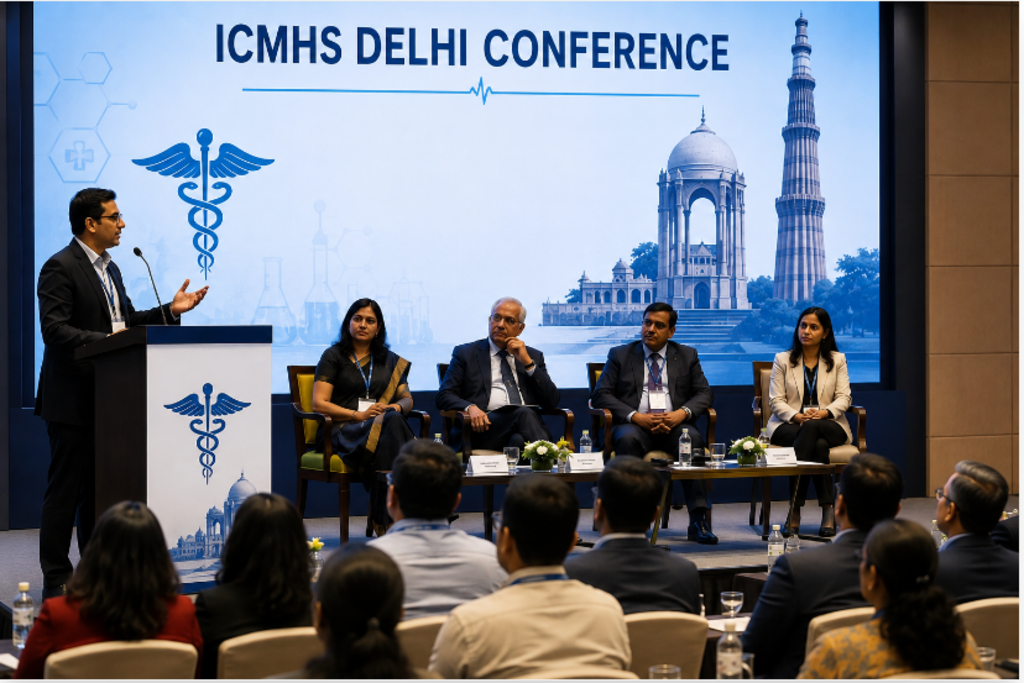
ICMHS Delhi Conference: A Gateway for Medical Researchers, Academicians, and Industry Experts

Medical conferences play an important role in advancing healthcare by connecting researchers, academicians, healthcare professionals, and industry experts on a common platform. They provide opportunities for sharing scientific knowledge, discussing innovations, and building meaningful collaborations across the medical field. The International Conference on Medical & Health Science (ICMHS) Delhi Conference is designed to encourage discussions on emerging healthcare trends and research developments. Medical Conferences in Delhi offer a valuable environment for professionals to exchange ideas, explore advancements, and contribute to the growth of medical science through academic and industry interactions.


Overview of the ICMHS Delhi Conference

International Conference on Medical & Health Science (ICMHS) Delhi Conference is a global platform that brings together researchers, academicians, healthcare professionals, and industry experts to discuss advancements in medical and health sciences. The conference aims to promote knowledge exchange, innovation, and collaboration while supporting research-driven healthcare development. With Delhi’s strong academic infrastructure and connectivity, it serves as an ideal destination for an international medical event. The conference covers diverse areas of medical and health sciences, encouraging meaningful discussions and new perspectives.

A Global Platform for Medical Researchers

ICMHS Delhi Conference provides a global platform for medical researchers to present their latest findings, exchange knowledge, and engage in meaningful scientific discussions. Participants gain opportunities to showcase innovative studies, clinical research, and emerging healthcare solutions while connecting with experts from diverse backgrounds. International research discussions encourage collaboration, inspire new ideas, and support advancements in medical science. By bringing together researchers from different countries, the conference helps build valuable professional networks and fosters partnerships that contribute to future healthcare innovations.

Empowering Academicians Through Knowledge Exchange

ICMHS Delhi Conference supports academic growth by providing a platform for knowledge exchange among faculty members, educators, and students. It enables participants to explore emerging trends, recent advancements, and innovative approaches in medical science. Through interactive discussions and research presentations, academicians can enhance their understanding and contribute to ongoing developments in healthcare. The conference also encourages collaboration among institutions, helping strengthen academic networks and create opportunities for meaningful partnerships in the field of medical and health sciences.

Opportunities for Healthcare Industry Experts

ICMHS Delhi Conference offers valuable opportunities for healthcare industry experts to connect with professionals, researchers, and industry leaders from across the globe. It provides a platform to explore innovations in medical technology, healthcare solutions, and emerging industry trends. Participants can discuss current challenges, identify new opportunities, and share insights that support healthcare advancement. The conference also encourages partnerships between academia and industry, creating a collaborative environment for developing practical solutions and promoting progress in the medical and healthcare sectors.

Key Highlights of the ICMHS Delhi Conference

ICMHS Delhi Conference features a range of engaging activities designed to encourage knowledge sharing and professional interaction. The event includes expert keynote sessions, invited talks, research paper presentations, and poster sessions where participants can showcase their work and insights. Interactive discussions and panel sessions provide opportunities to explore important topics in medical and health sciences. Additionally, the conference creates valuable networking opportunities, allowing global participants to connect, exchange ideas, and build collaborations for future research and healthcare initiatives.

Benefits of Attending ICMHS Delhi Conference

Attending the ICMHS Delhi Conference provides participants with opportunities to enhance their professional knowledge and gain insights from international experts in medical and health sciences. The conference enables researchers, academicians, and healthcare professionals to showcase their work on a global platform while developing valuable skills and perspectives. Participants can expand their professional and academic networks through meaningful interactions with experts and peers. The event also helps attendees stay informed about the latest healthcare advancements, innovations, and emerging trends shaping the future of medicine.

Why Choose Delhi for an International Medical Conference?

Delhi is an ideal destination for hosting an international medical conference due to its strong presence of healthcare institutions, research organizations, and academic centers. The city provides excellent connectivity, making it accessible for national and international participants. With its advanced infrastructure and professional environment, Delhi supports meaningful interactions among medical experts, researchers, and industry professionals. Beyond academic engagement, attendees can also experience the city’s rich cultural heritage and diverse opportunities, creating a well-rounded experience during the conference.

How to Prepare for the ICMHS Conference?

Preparing for the ICMHS Conference involves thoughtful planning to maximize the benefits of participation. Researchers and professionals should focus on developing clear, informative presentations that effectively communicate their findings and insights. Participants can enhance their experience by preparing networking strategies, engaging with speakers, and connecting with fellow attendees. Actively participating in conference sessions, discussions, and activities helps gain valuable knowledge and create meaningful professional relationships. Proper preparation ensures a productive and rewarding experience throughout the conference.

Participating in global medical conferences plays an important role in advancing knowledge, encouraging innovation, and strengthening collaboration within the healthcare community. The ICMHS Delhi Conference invites researchers, academicians, and industry experts to share ideas, present discoveries, and engage in meaningful discussions on the future of medical science. By bringing together diverse perspectives and expertise, the conference serves as a platform for innovation, professional growth, and collaborative healthcare progress. Join ICMHS Delhi to connect, learn, and contribute to the evolving landscape of medical and health sciences.