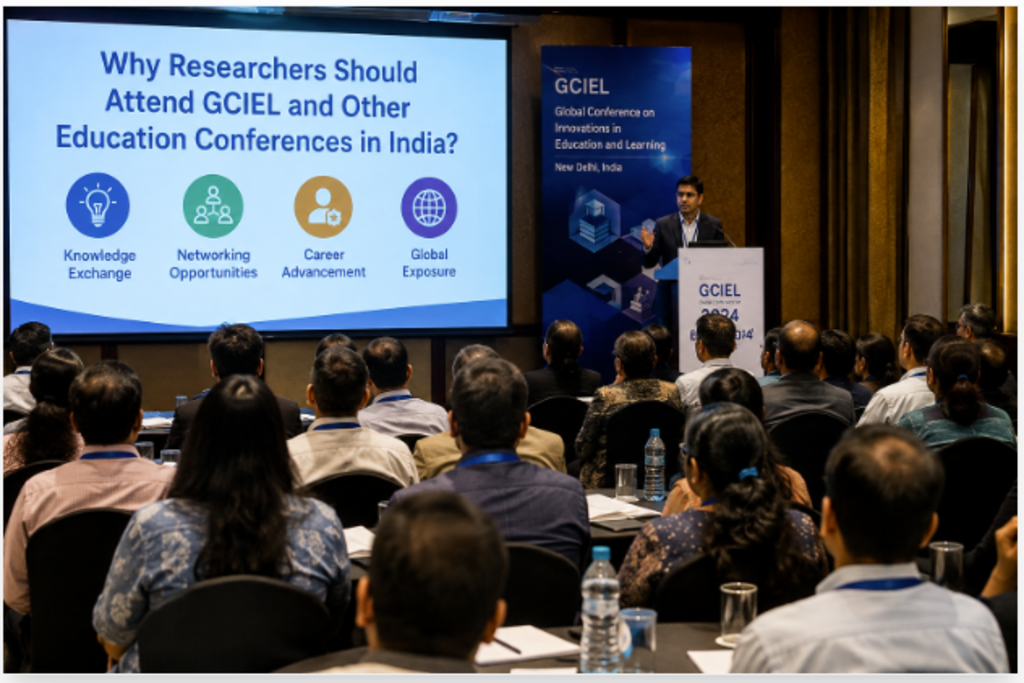

Education is evolving rapidly as technology, innovative teaching methods, and changing learner needs reshape how knowledge is shared and experienced. From artificial intelligence and digital classrooms to personalized learning and collaborative approaches, today’s education landscape is more dynamic than ever. Education conferences provide valuable spaces where educators, researchers, institutions, and industry experts come together to exchange ideas, explore emerging trends, and discuss practical solutions. In this article, we’ll explore how modern education conferences are shaping the future of learning, highlighting key themes, benefits, innovations, and opportunities for education professionals.
What Are Modern Education Conferences?
Modern education conferences are events where educators, researchers, technology experts, administrators, and other professionals meet to share ideas, research, teaching strategies, and innovations. Unlike traditional academic or teaching conferences, modern events often focus more on practical solutions, collaboration, technology, and emerging trends. They may be held in person, virtually, or in hybrid formats, allowing participants to join online or onsite. Attendees typically include teachers, professors, school leaders, researchers, policymakers, education companies, and students interested in improving learning and teaching.
Why Are Education Conferences Important for the Future of Learning?
Conferences play an important role in shaping the future of learning by bringing together educators, leaders, and innovators. They provide opportunities to discover new teaching strategies, student-centered methods, and evidence-based practices. These events also encourage professional networking, institutional collaboration, and the exchange of experiences and challenges. By exploring emerging trends such as digital transformation, personalized education, and innovative learning approaches, educators can adapt to changing needs and create more effective learning experiences for students.
Key Trends Shaping Modern Education
Modern education is evolving through emerging approaches that are transforming teaching and learning. Artificial intelligence is driving personalized learning while encouraging responsible adoption. Digital and hybrid learning continue to expand through online education, hybrid classrooms, and virtual environments. Student-centered approaches focus on adaptive learning, individual needs, and engagement. Inclusive education emphasizes accessibility, diversity, and removing learning barriers. Meanwhile, skills-based and lifelong learning prioritize future-ready skills, career development, and continuous professional growth to prepare learners for evolving opportunities.
How Education Conferences Are Changing the Learning Experience?
Conferences are reshaping the learning experience by connecting educators with global ideas, innovative practices, and emerging technologies. They transform research into practical teaching strategies that can be applied in classrooms and institutions. These events also strengthen collaboration between teachers, researchers, and technology innovators, helping education systems address new challenges effectively. By sharing knowledge, experiences, and solutions, conferences create valuable opportunities for continuous professional development, empowering educators to adapt, innovate, and deliver more engaging and effective learning experiences.
What Can Educators Gain From Attending Education Conferences?
Attending education conferences offers educators valuable opportunities to grow both personally and professionally. They can discover innovative teaching strategies, fresh classroom ideas, and effective approaches to student engagement. Conferences also provide opportunities to build professional networks and connect with fellow educators and experts. Participants can explore the latest educational technologies, gain insights from current research and industry developments, and strengthen their professional skills. Most importantly, these events can inspire educators, boost motivation, and encourage continuous improvement in their teaching practices.
The Rise of Global and Virtual Education Conferences
Technology has transformed education conferences, making international events more accessible than ever before. Virtual platforms allow educators to participate in global conferences without the cost, time, or challenges of travel. Online participation also creates valuable opportunities to exchange ideas, share innovative teaching practices, and build professional connections with educators worldwide. As digital learning continues to evolve, hybrid conferences are becoming increasingly important, combining the flexibility of virtual attendance with the engagement and networking benefits of in-person experiences.
The future of learning depends on continuous innovation, collaboration, and a commitment to professional growth. Education conferences give educators valuable opportunities to discover new teaching strategies, explore emerging technologies, exchange ideas, and connect with professionals from around the world. By bringing diverse perspectives and innovative solutions together, these conferences help educators respond to changing learner needs. Ultimately, the future of education is not shaped by technology alone—it is shaped by the educators, ideas, and meaningful connections that inspire positive change.
Resource:
Planning for Upcoming Education Conferences in Chennai