
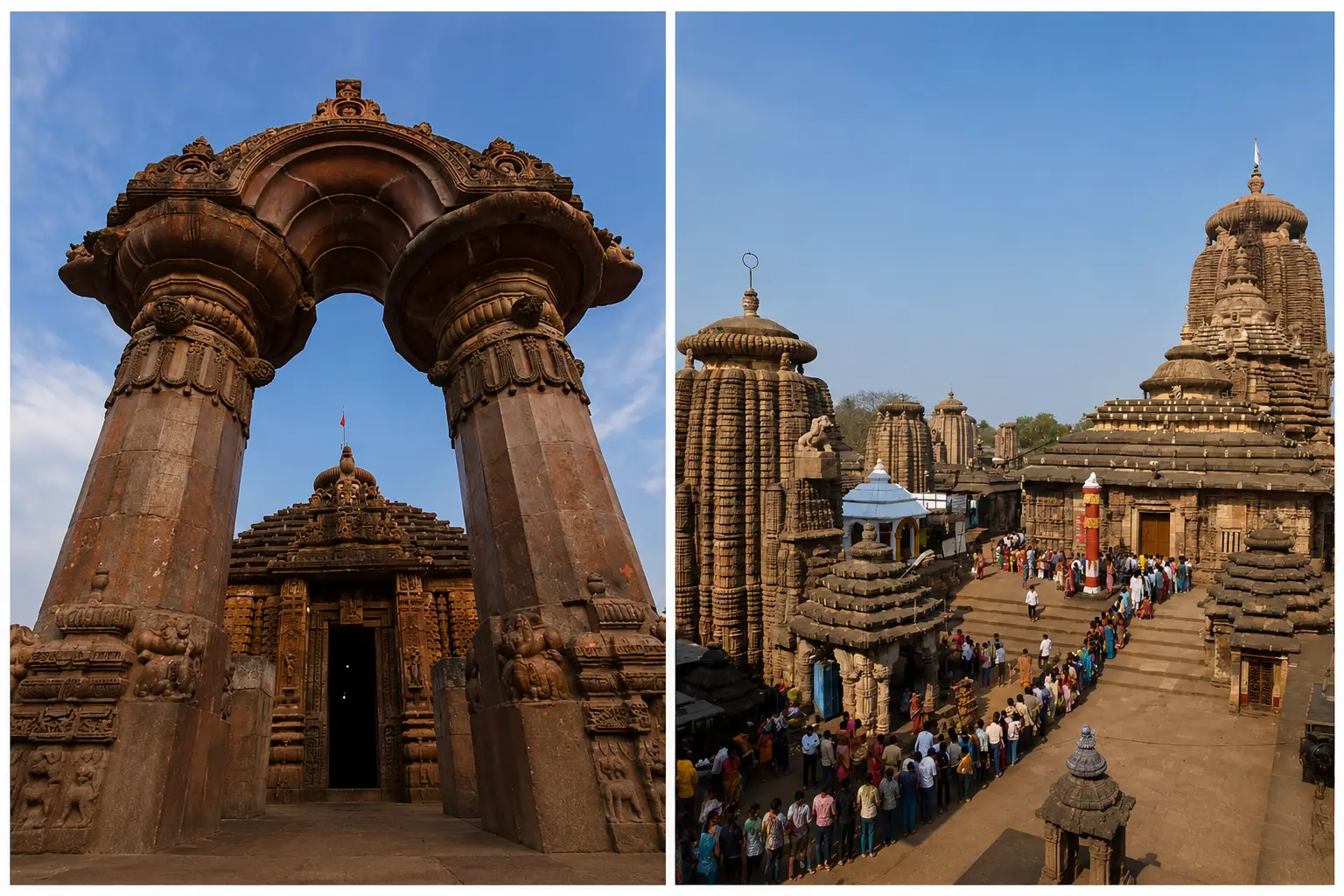
Odisha is celebrated for its ancient temples, vibrant traditions, and rich spiritual heritage. At the heart of this cultural legacy lies Bhubaneswar, known as the “Temple City of India,” home to numerous historic shrines. Among them, Lingaraj Temple is a magnificent example of Odisha’s religious devotion and architectural excellence. Dedicated to Lord Lingaraj, this sacred temple offers visitors a glimpse into the state’s fascinating history, rituals, and traditions. Its grandeur and spiritual significance make it an essential destination for pilgrims and travelers exploring Odisha’s cultural heritage. Lingaraj Temple Bhubaneswar stands as a timeless symbol of devotion and tradition.
The Historical Legacy of Lingaraj Temple
Lingaraj Temple carries a remarkable historical legacy that reflects Odisha’s enduring religious and architectural traditions. Its origins are closely associated with the Somavamsi dynasty, which played a major role in shaping Bhubaneswar’s temple landscape, while later rulers, including the Ganga dynasty, contributed to its development and preservation. For centuries, the temple has remained an important center of worship, attracting devotees and pilgrims. Its distinctive architecture and historical significance place Lingaraj Temple among the finest examples of Odisha’s celebrated temple-building tradition.
The Spiritual Significance of Lord Lingaraj
The name “Lingaraj” means “King of the Lingas,” reflecting Lord Shiva’s supreme spiritual presence in the temple. What makes Lingaraj Temple especially unique is its association with both Shaiva and Vaishnava traditions through the worship of Harihara, a divine form representing Shiva and Vishnu together. Daily rituals, festivals, prayers, and centuries-old sacred customs continue to shape the temple’s spiritual atmosphere. For devotees and spiritual seekers, Lingaraj Temple remains a revered destination where faith, devotion, and Odisha’s ancient religious traditions come together.
Marvel of Kalinga Architecture
Lingaraj Temple is a magnificent example of Kalinga architecture, showcasing the distinctive artistic traditions of Odisha’s medieval temple-building heritage. Its impressive complex features the towering Vimana, the Jagamohana, the Nata Mandira, and the Bhoga Mandapa, each serving an important religious and architectural purpose. Elaborate stone carvings, sculpted figures, ornate motifs, and finely detailed surfaces reveal the exceptional craftsmanship of its artisans. Together, these elements create a striking architectural masterpiece that reflects Odisha’s rich artistic identity, cultural traditions, and enduring devotion.
Experiencing the Temple and Its Sacred Atmosphere
Visiting Lingaraj Temple offers a glimpse into the spiritual character of Bhubaneswar’s historic Old Town. The surrounding area comes alive with temple bells, devotional chants, traditional rituals, and the movement of devotees gathering for worship. Witnessing these practices provides a meaningful connection to Odisha’s living religious heritage and long-standing temple traditions. Entry into the main temple complex is restricted to Hindus. Visitors who cannot enter can still appreciate its grandeur and observe the temple from designated viewpoints outside, offering a memorable perspective of this sacred landmark.
Festivals and Living Traditions
Festivals at Lingaraj Temple bring Odisha’s spiritual heritage to life, blending devotion, community, music, and centuries-old traditions. Maha Shivaratri is one of the most important celebrations, drawing large numbers of devotees who gather for prayers and rituals honoring Lord Shiva. Another significant occasion is Ashokashtami, marked by the famous Rukuna Rath Yatra, when the deities are taken in a grand ceremonial procession. These vibrant celebrations strengthen community bonds while preserving sacred customs, demonstrating how Lingaraj Temple continues to remain a living and cherished part of Odisha’s cultural identity.
Lingaraj Temple and Bhubaneswar’s Temple Trail
Lingaraj Temple forms an important starting point for exploring Bhubaneswar’s remarkable temple trail, where centuries of spiritual traditions and architectural excellence come together. Nearby, Mukteshwar Temple is celebrated for its elegant carvings and distinctive torana, while Rajarani Temple is admired for its sculptural beauty and ornate architecture. The historic Parasurameswara Temple offers another glimpse into the city’s early temple-building traditions. Exploring these sacred sites alongside Lingaraj allows visitors to discover Bhubaneswar’s rich architectural heritage, spiritual character, and enduring cultural traditions.
Why Lingaraj Temple Matters Today
Lingaraj Temple is far more than an architectural monument; it remains a living center of faith and cultural identity in Odisha. Its centuries-old rituals, festivals, artistic traditions, and devotional practices continue to connect generations with the region’s heritage. The temple also plays an important role in sustaining community life, bringing devotees together through shared customs and celebrations. In modern Bhubaneswar, Lingaraj stands as a powerful link between the past and present, showing how ancient traditions can remain meaningful while the city continues to grow and evolve.
Lingaraj Temple represents far more than a magnificent example of Odisha’s architectural heritage. Its long history, spiritual significance, intricate Kalinga craftsmanship, vibrant festivals, and living traditions make it a profound cultural landmark. A visit offers more than an opportunity to admire ancient stonework; it provides a deeper understanding of Odisha through its enduring faith, rituals, and community traditions. As Bhubaneswar continues to evolve as a modern city, Lingaraj Temple remains a timeless symbol of devotion and heritage, preserving the enduring spirit of Odisha for generations to come.
Read More: