
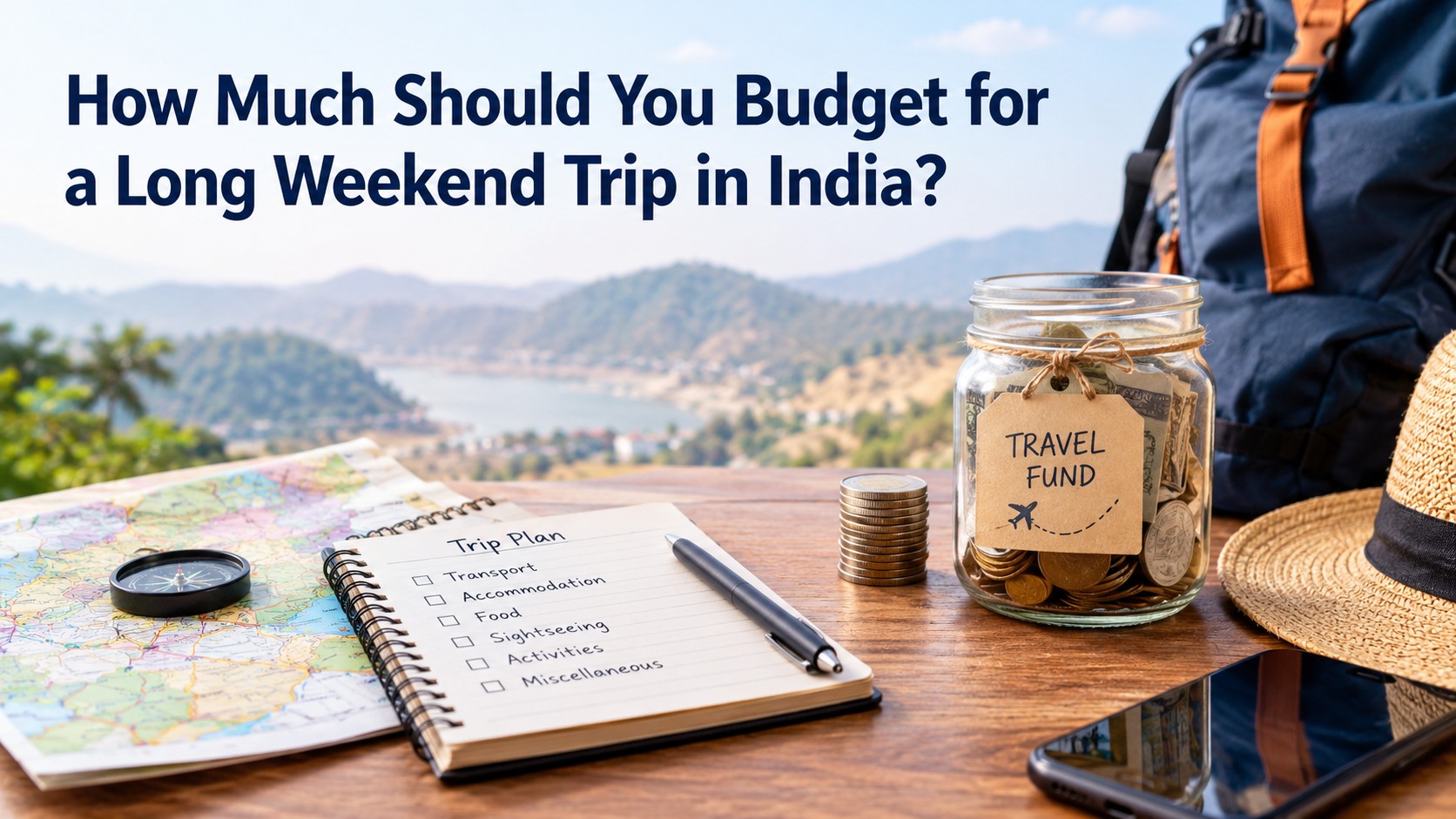
A short holiday can be a great way to take a break from work, spend time with family, or explore a new destination. However, even a trip lasting two or three days requires some planning to keep expenses under control. Transportation, accommodation, meals, sightseeing, and other small expenses can quickly affect your overall spending.
Before booking anything, it helps to understand where your money is likely to go and which expenses you can manage. Planning a budget for a long weekend trip in India does not mean avoiding enjoyable experiences. It means making practical choices that suit your travel preferences and available funds.
Factors That Affect Your Travel Budget
The amount you need for a short trip depends on several factors. Understanding them can help you prepare a realistic budget before choosing your destination.
- Destination: Travel expenses vary between cities, hill stations, coastal destinations, and popular tourist areas.
- Travel dates: Accommodation and transport availability may change during public holidays and busy travel periods.
- Group size: Solo travellers, couples, friends, and families have different requirements for rooms, transport, and meals.
- Travel style: A simple sightseeing trip may involve different expenses from a holiday focused on premium accommodation or adventure activities.
- Duration: Staying for additional nights increases the amount you may need for accommodation, food, and local travel.
Consider these factors together instead of estimating your expenses based on the destination alone.
Transportation and Travel Planning
Transportation is one of the first expenses to consider when organising a short holiday. Depending on your destination, you may travel by train, bus, flight, or personal vehicle. Each option has different advantages in terms of convenience, journey time, and overall cost.
Compare available options before making a booking. For road trips, remember to account for fuel, tolls, parking, and possible vehicle maintenance. If you are travelling by public transport, check the cost of reaching your hotel from the railway station, airport, or bus terminal.
It is also useful to consider how you will move around after reaching your destination. Choosing accommodation near public transport or major attractions may reduce unnecessary travel during your stay.
You may use a Trip Cost Calculator to estimate transportation expenses and compare options while preparing your travel budget.
Accommodation and Stay-Related Expenses
Your accommodation choice can influence both your budget and the overall experience of your trip. Hotels, hostels, homestays, and holiday rentals offer different facilities, locations, and levels of comfort.
Before booking a room, consider its distance from the places you want to visit. A cheaper property located far from major attractions may involve additional transport expenses. Similarly, a centrally located stay may help you save time and simplify your itinerary.
Check guest reviews, room photographs, available facilities, meal arrangements, and cancellation policies before confirming your reservation. If you are travelling with friends or family, compare the cost of suitable room arrangements rather than selecting accommodation based only on the advertised rate.
Remember to check for additional charges, including taxes, parking fees, or optional services, so you can estimate the total accommodation expense more accurately.
Food, Sightseeing, and Other Travel Expenses
Food and activities are often overlooked when travellers prepare an initial budget. Although these expenses may seem small individually, they can add up throughout the trip.
Start by identifying the type of dining experience you prefer. Local restaurants, street food, cafes, and hotel dining options offer different choices. You can plan a few special meals while keeping other meals flexible according to your preferences.
Next, list the attractions and activities you want to include. Museums, monuments, guided tours, boating, adventure activities, and cultural experiences may involve separate charges. Some destinations also offer free attractions, public parks, walking routes, and local markets that can make your itinerary more varied.
Keep room in your budget for incidental expenses such as snacks, drinking water, shopping, souvenirs, and unexpected transport requirements. Having a separate allowance for these items can help prevent unplanned spending from affecting the rest of your trip.
How to Calculate Your Long Weekend Trip Budget
Creating a travel budget becomes easier when you divide it into clear categories. Follow these steps before finalising your bookings:
- Choose your destination: Decide where you want to go and how much time you have available.
- Confirm your travel dates: Check transport availability and accommodation options for your preferred dates.
- Estimate transportation expenses: Compare suitable travel methods and account for local transfers.
- Calculate accommodation needs: Consider the number of travellers, rooms, and nights required.
- Plan food and activities: List your expected meals, sightseeing expenses, and other experiences.
- Allow for unexpected expenses: Keep some money aside for delays, changes, or unplanned requirements.
- Review the total: Add the estimated expenses and adjust your plans to suit your budget.
Trip Cost Calculator can help you estimate prices and review your expected travel expenses before making reservations. Use the results alongside actual booking information, since prices and availability can change.
Practical Ways to Keep Your Travel Budget Under Control
Managing travel expenses does not require giving up the experiences you enjoy. A few practical decisions can make your trip easier to organise.
- Book transportation and accommodation early when suitable options are available.
- Compare the total booking amount instead of focusing only on the initial price.
- Select accommodation that offers convenient access to your planned activities.
- Share transport or accommodation expenses when travelling with friends or family.
- Prioritise the attractions and experiences that interest you most.
- Research free activities and local transport options before arriving.
- Read cancellation and refund policies before making payments.
- Keep your itinerary flexible enough to accommodate unexpected changes.
These steps can help you make informed decisions without putting unnecessary pressure on your travel budget.
Choosing a Destination That Fits Your Travel Budget
Not every destination requires the same level of planning. A nearby town may be suitable for a relaxed break, while a distant destination may require more time and preparation for transportation.
Start by considering the distance from your home, the time available for travel, and the activities you want to enjoy. Compare destinations based on accommodation availability, transport connections, local experiences, and the effort required to reach major attractions.
Researching these details before selecting a destination can help you avoid spending too much time travelling and too little time exploring. If you are considering several places, use a Trip Cost Calculator to compare estimated expenses and identify options that fit your plans.
The aim is to choose a destination that suits your interests, schedule, and budget rather than making decisions based only on popularity.
Planning your travel budget before booking helps you manage transportation, accommodation, food, and sightseeing expenses without unnecessary stress. Compare your options, keep some flexibility in your plans, and use a Trip Cost Calculator to estimate prices before making reservations. For more travel planning information and ideas for your next short break, you may also visit Citybit.